GBI Biomanufacturing in Plantation has been working on stem cell manufacturing processes for seven years, and a new Florida law means demand for its products will almost certainly grow
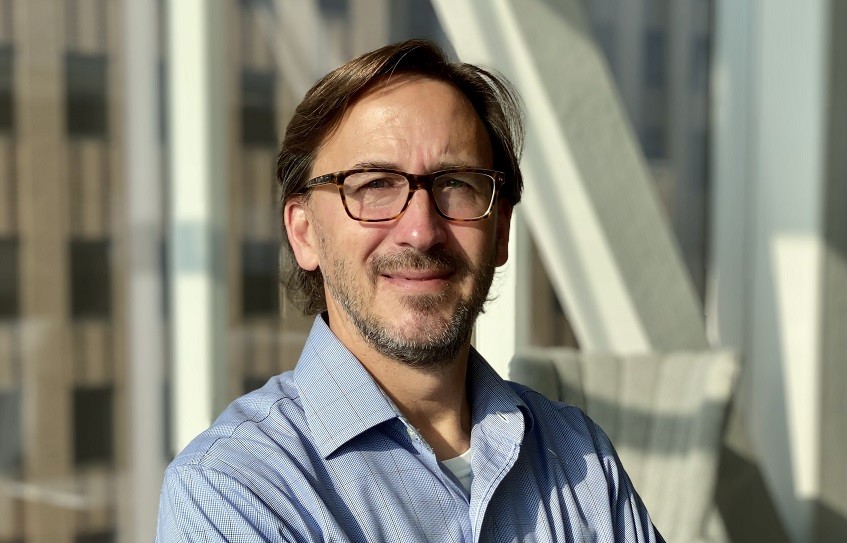
Jesse McCool, the recently named president of GBI Biomanufacturing, is new to living in Florida – though there have been regular visits as a son is a University of Florida “Gator.” Still, McCool’s expertise in the manufacture of biologics and in the emerging stem cell field may eventually bring relief to many Florida residents navigating chronic pain, arthritis or other afflictions.
McCool, who came on board at the end of 2025, oversees a well-established firm that has been at its Plantation location since the ’90s. Its primary specialty has been the production of monoclonal antibodies used in a variety of products. In general GBI creates large batches of various made-to-order biologics for its clients – this for a number of uses, including for example, producing enough of a product for clinical trials. Clients are usually pharmaceutical or biotech companies. GBI has also been working on stem cell technology for about seven years, McCool said, and now, with a law passed last year, the company is anticipating increased demand.
“Regenerative medicine has been around for a long time,” said McCool, who grew up in Western Massachusetts and earned undergraduate and his PhD from the University of Massachusetts Amherst and a doctorate in microbiology from Dartmouth College. Most recently he oversaw a large regional blood bank in Oklahoma. “What the government has leaned into is the idea that science is on the cutting edge, and there are new possibilities, and drugs that have the potential to meet unmet needs.”
It comes just as GBI added 7,500 square feet to its Plantation headquarters, for a total of 38,000 square feet, which also doubles its stem-cell manufacturing capacity, which is now at about 10,000 patients per year in Florida. That is expected to rise to about 1 million patients per year. The expansion cost $26 million and GBI, which is a private firm, is seeking another $2 million to complete installation of bioreactors and clean rooms.
The expansion dovetails nicely with the new law. In its 2025 session, the Florida legislature overwhelmingly passed a measure opening the door for doctors to administer stem cell therapies – though not yet approved by the FDA – for orthopedic conditions, wound healing and difficult-to-manage pain. Currently, the FDA has approved stem cell therapies for a narrow set of conditions, including some cancers and blood diseases.
Stem cell therapies – and other regenerative approaches – are becoming more popular as they become more possible. According to Grand View Research, the stem cell therapy market, which was estimated to be $456 million in 2024, is expected to hit $1.6 billion by 2030.
GBI employs 60 people, and expects to bring on biotech engineers as well as specialized lab technicians and reach about 100 employees as orders progress.
“Biotech companies are engaging with clinics, pushing forward and advancing regenerative medicine,” McCool said, noting that one of the most significant aspects of the new law is data gathering. More reports and clinical trials should give researchers and physicians evidence about the efficacy of the treatments. “There is a lack of clinical data for all these new products.”
As the information comes in, independent review boards will form. In turn that will create a scaffold to begin the FDA approval process, noted McCool. The lack of rigorous studies on stem cell therapies is a current frustration for clinicians and researchers, not to mention patients.
Still, for now, 90 percent of GBI’s revenue comes from the monoclonal antibody side of things, with stem cells making up 10 percent.
The manufacturing process for both is complex and exacting, and labs need to meet high government standards for approval. Equipment is expensive. Processes and quality control are key.
GBI is working with about 10 companies on providing stem cells of various descriptions, McCool said, noting the manufacturing process is quite complex.
One challenge is finding enough people to work in a highly regulated, highly technical environment who understand the exacting needs of the process and are able to master the complex biological manufacturing equipment GBI uses.
Another challenge is competition from China, which has been working on stem cell manufacture for about 15 years, and where the pricing is very competitive, McCool said.
McCool does have another side. Along with his twin brother, Gabe McCool, he plays lead guitar and sings in a rock band, named CellarSonic. Proceeds are earmarked for several charities. McCool is a long-distance bicycle rider and frequently visits Oklahoma, where his family still resides as they contemplate a move to South Florida.
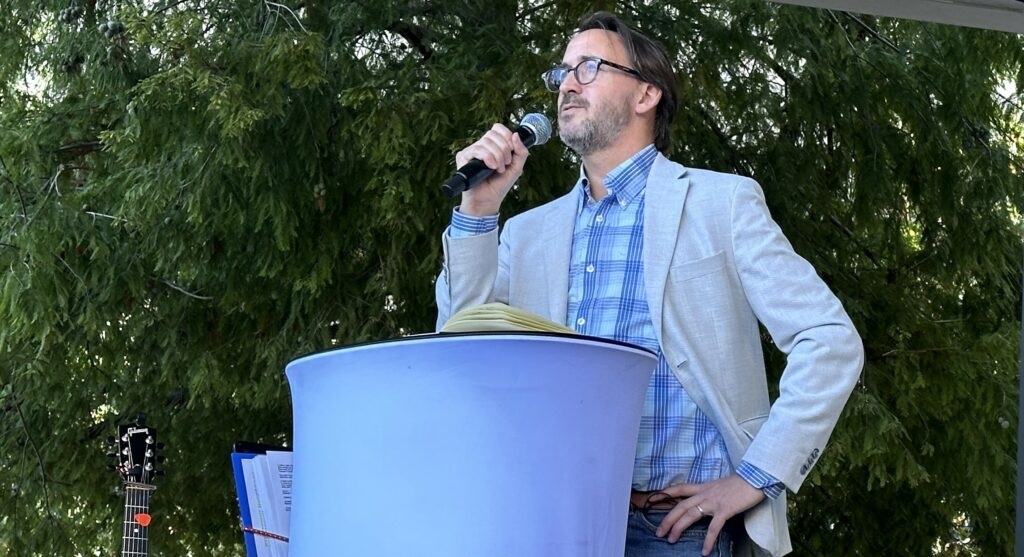
GBI BioManufacturing President Jesse McCool at a deedication of a new lab.
Author: Karen-Janine Cohen
Link to published news story from Refresh Miami: https://refreshmiami.com/news/stem-cell-opportunities-expand-and-so-does-gbi/